|




Limonium latifolium
Limonium latifolium
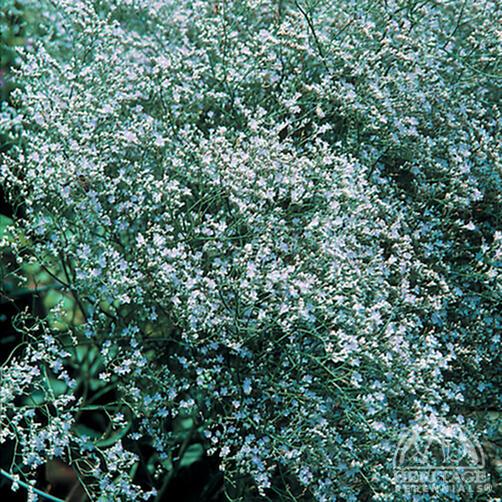
Plant number: 1.320.010(=Limonium platyphyllum) Sea Lavender is one of the best perennials for using as a cut flower, especially for drying. This forms a low mound of large, leathery green leaves, bearing upright branching heads of tiny, pale-blue flowers, giving a misty, cloud-like effect. Plants will produce a number of stems, and the overall effect is billowing and delicate. Very tolerant of hot, dry sites once established. Dislikes being moved or divided. Flowers are attractive to butterflies. To dry, stems should be cut just as the flowers begin to open, and hung upside down in a warm, dark place. Further details for |

| All 2 results here | Alphabetical list of all 4,000+ perennials here |


Limonium latifolium
Plant number: 1.320.010(=Limonium platyphyllum) Sea Lavender is one of the best perennials for using as a cut flower, especially for drying. This forms a low mound of large, leathery green leaves, bearing upright branching heads of tiny, pale-blue flowers, giving a misty, cloud-like effect. Plants will produce a number of stems, and the overall effect is billowing and delicate. Very tolerant of hot, dry sites once established. Dislikes being moved or divided. Flowers are attractive to butterflies. To dry, stems should be cut just as the flowers begin to open, and hung upside down in a warm, dark place. Further details for |